
Digital Transformation in the Financial Sector: Africa’s Leapfrog Opportunity
The financial sector is experiencing an unprecedented wave of transformation, driven by digital innovation. While much of the global conversation has focused on traditional banks competing with fintech giants, Africa and particularly Kenya has become a global case study in how digital transformation can accelerate financial inclusion and redefine the future of money.
Africa’s Unique Context
Unlike developed markets, where financial institutions grapple with deeply entrenched legacy systems, Africa’s financial sector has leapfrogged many traditional stages of evolution. The mobile phone became the gateway to banking, enabling millions of people without access to brick-and-mortar banks to transact, save, and borrow.
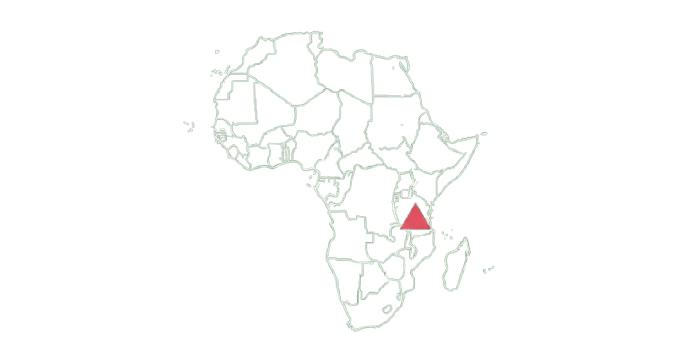
Kenya’s M-Pesa revolution stands as one of the most powerful demonstrations of this transformation. What started as a simple mobile money transfer platform has evolved into a financial ecosystem integrating payments, credit, savings, and even cross-border remittances. Today, more than 80% of Kenya’s adult population has access to formal financial services, a feat largely driven by mobile-based innovation.
Key Drivers of Transformation in Africa’s Financial Sector
-
Mobile Money and Fintech Disruption
With over 400 million registered mobile money accounts across the continent, Africa leads the world in mobile payments. Startups are building on this infrastructure to deliver microloans, insurance, wealth management, and merchant services. -
Financial Inclusion Imperative
Digital transformation is not only about efficiency—it’s a tool for social impact. Access to affordable credit and insurance allows smallholder farmers, SMEs, and informal traders to build resilience and scale their businesses. -
Technology Advancements
Cloud-based platforms, blockchain for remittances, AI-driven risk assessment, and open banking APIs are enabling African financial institutions to extend services to new markets at lower costs. -
Policy and Regulation
Governments and regulators across Africa are increasingly recognizing the role of digital finance in economic growth. Kenya’s proactive stance on fintech sandboxes and e-KYC regulations have encouraged innovation while safeguarding consumer protection.
Opportunities for Africa
-
Empowering SMEs: Digital lending platforms can bridge the $330 billion SME financing gap across the continent.
-
Cross-Border Payments: Regional digital currencies and blockchain-enabled systems could reduce the cost of remittances, which remain among the highest globally.
-
Data-Driven Innovation: With growing smartphone penetration, institutions can leverage alternative data to build credit profiles for previously invisible populations.
-
Green Finance: Digital platforms can integrate carbon credits and climate financing, unlocking sustainable investment opportunities.
Challenges Ahead
Cybersecurity threats, fragmented regulations across borders, and limited digital literacy remain significant challenges. Moreover, financial institutions must tackle the risk of exclusion among populations with limited access to smartphones or reliable internet.
The Future: African Solutions to Global Challenges
Africa’s financial sector is not merely catching up—it is setting global precedents. The continent’s experience demonstrates how digital platforms can drive inclusion, resilience, and innovation at scale. For banks, fintechs, and policymakers, the task ahead is to deepen collaboration, ensure trust and security, and invest in talent that can harness emerging technologies responsibly.
Digital transformation in Africa’s financial sector is more than a technological shift—it is an economic and social revolution. Institutions that recognize this opportunity will not just lead the market, but shape the very future of finance
One comment
Agnes Mwaimaru
October 3, 2025 at 8:47 am
Great insights on the role of digital on access to finance.